Corporate Magic / Production
Creative Leadership Staffing

Clear leadership creates clear decisions.
A Corporate Magic perspective.
01
Creative leadership staffing is the process of integrating experienced creative and production leaders into projects that require strategic direction, decision-making, and coordination.
Large productions often bring together clients, stakeholders, agencies, production teams, technical specialists, venues, vendors, and partners. Each group contributes expertise, but expertise alone does not guarantee alignment.
Someone must help connect vision to execution. Someone must make decisions when priorities compete. Someone must help teams move in the same direction.
Creative leadership staffing provides that capability.
At Corporate Magic, creative leadership staffing focuses on integrating experienced professionals who can guide creative development, production planning, stakeholder alignment, and execution. These roles may include creative directors, executive producers, show directors, content leaders, broadcast leaders, technical directors, stage managers, experience designers, and other senior production professionals.
The goal is not simply filling positions. The goal is strengthening leadership, improving alignment, and helping teams make better decisions throughout the life of a project.
02
Corporate Magic / In Production
Organizations often think about infrastructure in terms of equipment, technology, venues, and logistics.
Those elements are important, but many production challenges originate from something less visible. Unclear priorities, conflicting objectives, inconsistent decision-making, and disconnected teams can undermine even the most well-funded projects.
Creative leadership provides the structure that helps teams work together effectively. It creates alignment between stakeholders, creative teams, technical teams, and operational teams so decisions support a common objective.
Like any form of infrastructure, its value is often most apparent when it is missing.
A production can have exceptional technology, talented specialists, and sufficient resources yet still struggle if leadership is fragmented. Creative leadership helps create alignment before misalignment becomes visible to the audience.
03
Most production challenges are not caused by a lack of effort.
They are caused by a lack of alignment.
Teams may disagree on priorities. Stakeholders may have different expectations. Creative and technical objectives may compete with one another. Schedules may force difficult decisions.
Creative leadership helps teams navigate those realities.
Rather than focusing on a single discipline, creative leaders evaluate how decisions affect the broader experience. They help balance audience needs, business objectives, technical requirements, production budgets, schedules, and operational realities.
Leadership does not eliminate complexity. It helps teams navigate complexity more effectively. The larger a project becomes, the more important leadership becomes because decisions made in one area often affect every other area.
The result is not simply better coordination.
The result is better decision-making.
04
Many people assume creative leadership exists primarily to make decisions.
In reality, creative leadership shapes how decisions are made.
It influences how teams communicate, how priorities are established, how conflicts are resolved, and how opportunities are evaluated.
Strong leadership creates clarity. Clear teams move faster. Faster teams spend more time improving the work and less time debating direction.
The most effective creative leaders do not simply provide answers. They help teams ask better questions, evaluate options more effectively, and remain focused on the outcomes that matter most.
05
Organizations rarely plan to have unclear priorities, conflicting decisions, or misaligned teams.
Those outcomes often emerge when leadership is undefined.
When decision-making authority is unclear, teams create their own priorities. When priorities differ, alignment becomes difficult. When alignment becomes difficult, projects slow down, communication suffers, and resources are spent solving avoidable problems.
Projects tend to reflect the leadership structure that guides them.
Clear leadership creates clear decisions, clear decisions create momentum, and momentum creates progress.
Creative leadership staffing exists because leadership influences outcomes long before the audience experiences the result.
06
The Five Questions Every Creative Leader Must Answer
At Corporate Magic, effective creative leadership often begins by answering five fundamental questions.
What Are We Trying to Achieve?
Every decision should support a clearly defined objective.
Without clarity, teams may work hard while moving in different directions.
01
Who Are We Serving?
Audience expectations influence every aspect of a production.
Creative leadership helps ensure decisions are made from the audience’s perspective rather than individual departmental preferences.
02
What Matters Most?
Not every idea carries equal importance.
Strong leaders help teams distinguish between essential objectives and optional enhancements.
03
What Are the Tradeoffs?
Every production contains constraints involving time, budgets, resources, technology, and logistics.
Creative leadership helps teams make informed choices when compromises become necessary.
04
How Do We Keep Everyone Aligned?
Alignment is not a one-time activity.
It requires ongoing communication, coordination, and leadership throughout the project lifecycle.
07
Corporate Magic / In Production
One of the biggest misconceptions about creative leadership is that it begins during execution.
In reality, it begins much earlier.
Creative leaders help establish vision, define priorities, guide planning, coordinate stakeholders, and shape decision-making long before production begins.
By the time crews arrive on site, thousands of decisions may already have been made. The quality of those decisions often determines the quality of the final experience.
Strong leadership helps ensure those decisions support a common objective.
08
Successful creative leadership typically progresses through three stages.
01
Define
Objectives, audiences, priorities, and success criteria are established.
02
Align
Stakeholders, creative teams, production teams, and technical teams develop a shared understanding of the vision and execution strategy.
03
Guide
Leadership continues throughout development, planning, rehearsals, production, and delivery to ensure decisions remain aligned with project objectives.
Each stage builds on the previous one.
The strongest projects maintain leadership continuity throughout the entire process.
09
Different projects require different forms of leadership.
Corporate Magic provides leadership expertise across a variety of roles depending on project needs.
01
Creative Directors
Guide the creative vision and audience experience.
02
Executive Producers
Provide strategic oversight, stakeholder management, and project leadership.
03
Show Directors
Coordinate the overall production experience and direct execution.
04
Content Directors
Guide messaging, presentations, media content, and storytelling.
05
Broadcast Directors
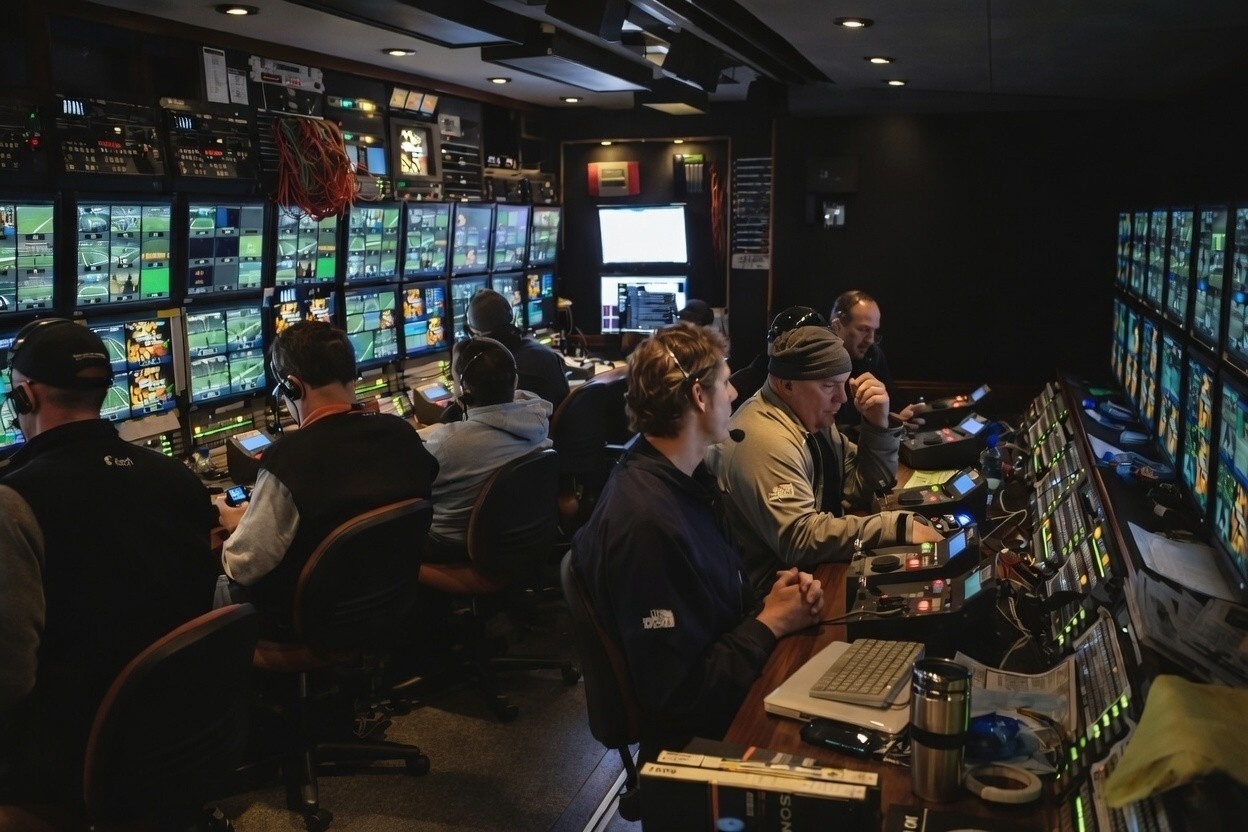
Lead audience experience through cameras, graphics, pacing, and broadcast execution.
06
Technical Directors
Coordinate technical systems, production infrastructure, and execution planning.
07
Stage Managers
Manage communication, timing, and coordination during rehearsals and live production.
08
Experience Designers
Focus on how audiences interact with and experience environments, content, and events.
10
01
Assuming Talent Equals Alignment
Highly skilled teams still require leadership.
Expertise without coordination often creates conflicting priorities and inconsistent outcomes.
02
Confusing Activity With Progress
Busy teams are not always aligned teams.
Creative leadership helps ensure effort is directed toward meaningful objectives rather than simply generating activity.
03
Solving Problems Too Late
The earlier leadership identifies risks, conflicts, or misalignment, the easier those challenges become to address.
04
Prioritizing Individual Departments Over the Audience
Departments naturally focus on their area of responsibility.
Creative leadership helps maintain focus on the overall experience and the audience the production is intended to serve.
05
Treating Leadership as a Position Instead of a Responsibility
Titles alone do not create alignment.
Leadership is demonstrated through decisions, communication, accountability, and consistency.
11
Teams move faster when they understand where they are going, why they are going there, and how their work contributes to the larger objective.
01
Clarity Reduces Complexity
Many production challenges become easier when priorities are clearly defined and communicated.
02
Decisions Create Culture
Teams pay attention to what leaders prioritize.
Over time, those priorities shape behavior, influence collaboration, and affect how work gets done.
Experience Matters
Creative leadership often involves recognizing challenges before they become visible to others. That awareness is built through experience across different environments, teams, and production conditions.
The Best Leadership Is Often Invisible
When teams communicate well, decisions happen efficiently, and productions run smoothly, leadership is often working quietly in the background.
Audiences may never notice it.
Production teams always do.
12
Organizations invest in creative leadership staffing because leadership influences every stage of a project.
Effective creative leadership helps:
• Improve stakeholder alignment
• Strengthen decision-making
• Reduce production risk
• Improve communication
• Support creative development
• Increase execution efficiency
• Improve audience experience
• Clarify priorities
• Strengthen team coordination
• Improve project outcomes
The value of creative leadership is often measured by the quality of decisions made before challenges become visible.
13

See production expertise come to life.
Related broadcast expertise